Buy zhanglei.eu ?
We are moving the project
zhanglei.eu .
Are you interested in purchasing the domain
zhanglei.eu ?
domain@kv-gmbh.de · 0541-91531010
Buy zhanglei.eu ?
What filters best, ash, charcoal, or activated charcoal?
Activated charcoal is the best filter among the three options. It has a larger surface area and more porous structure, allowing it to effectively trap and remove impurities from air and water. Ash and regular charcoal may also have some filtering properties, but they are not as effective as activated charcoal. Therefore, when it comes to filtering, activated charcoal is the superior choice. **
Who produces charcoal?
Charcoal is typically produced by burning wood in a low-oxygen environment, a process known as pyrolysis. This can be done on a small scale by individuals for personal use or on a larger scale by commercial operations. Charcoal is also produced as a byproduct of other industries, such as the production of steel or sugar. **
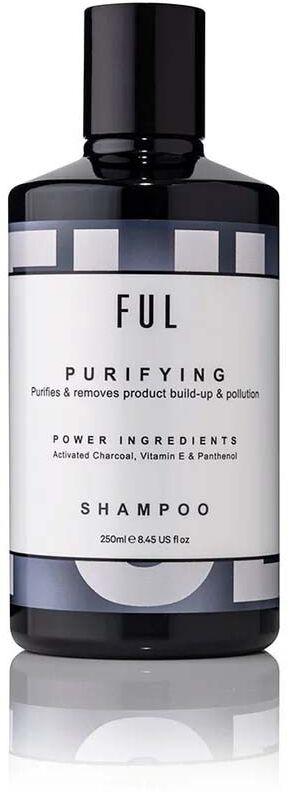

Similar search terms for FUL-Charcoal-Purifying-Shampoo
Top-Angebote
Products related to FUL-Charcoal-Purifying-Shampoo:
-
FUL Charcoal Purifying Shampoo 250ml DoubleA weekly treatment designed to purify congested scalps and rinse the hair of unwanted build up from oil, dirt, pollution and styling products. Stock up and save on healthy coloured hair with this double pack of 2 x 250ml Charcoal Purifying Shampoo from FUL... This Shampoo offers an invigorating cleanse, ensuring that your hair is not only free from impurities but also remains nourished and soft. KEY INGREDIENTS The Charcoal Purifying Shampoo is expertly formulated to harness the cleansing prowess of activated Charcoal . Activated Charcoal removes product build up, excess oil and daily pollutants whilst vitamin E, Glycerine and Panthenol help to maintain essential moisture, making this formula perfect for city living! Ingredients Aqua, Disodium Laureth Sulfosuccinate, Cocamidopropyl Betaine, Glycerin, PEG-120 Methyl Glucose Dioleate, Parfum, Phenoxyethanol, Charcoal Powder, Polyquaternium-10, Glycol Distearate, Benzyl Salicylate, Citric Acid, Ethylhexylglycerin, Panthenol, Steareth-4, Disodium EDTA, Sodium Benzoate, Sodium Hydroxide, Amyl Cinnamal, Eugenol, Tocopheryl Acetate, Geraniol, Cocos Nucifera Fruit Extract, Benzyl Benzoate, Citronellol, Linalool, Isoeugenol, Hexyl Cinnamal, Potassium Sorbate39,60 £*Shipping: 0,00 £Secure redirect to the provider

-
Is charcoal dangerous?
Charcoal itself is not inherently dangerous, but it can pose risks if not used properly. When burned, charcoal produces carbon monoxide, a colorless, odorless gas that can be harmful or even deadly if inhaled in high concentrations. Therefore, it is important to always use charcoal in a well-ventilated area to prevent the buildup of carbon monoxide. Additionally, ingesting charcoal can be dangerous and should be avoided. Overall, when used safely and responsibly, charcoal can be a useful and effective fuel source for cooking and heating. **
-
Does the horse want to kick Ful, but it doesn't want to?
It is difficult to determine the horse's intentions without more context. Horses may kick out of fear, pain, or irritation, but they can also be trained to control their impulses and not kick. It is possible that the horse may feel the urge to kick Ful, but has been trained to resist that urge. Without more information, it is hard to say for certain whether the horse wants to kick Ful or not. **
-
Is it possible to use charcoal instead of activated charcoal?
While charcoal and activated charcoal may look similar, they are not the same. Activated charcoal has been specially treated to increase its surface area and make it more porous, which enhances its ability to adsorb toxins and impurities. Regular charcoal, on the other hand, may not have the same adsorption capabilities. Therefore, it is not recommended to use regular charcoal as a substitute for activated charcoal in medical or purification applications. **
-
Can you eat charcoal?
While charcoal is not meant to be consumed, there are certain types of activated charcoal that are safe for consumption in small amounts. Activated charcoal is sometimes used in emergency situations to treat certain types of poisoning or overdose. However, it is important to note that consuming charcoal regularly or in large amounts can be harmful and interfere with the absorption of nutrients in the body. It is always best to consult with a healthcare professional before consuming charcoal for any purpose. **
Where is charcoal produced?
Charcoal is produced through a process called pyrolysis, which involves heating wood, coconut shells, or other organic materials in the absence of oxygen. This process can be carried out in traditional kilns or modern industrial retorts. Charcoal production is commonly found in areas with abundant sources of wood or coconut shells, such as forests, plantations, or rural areas. **
Is activated charcoal dangerous?
Activated charcoal is generally considered safe when used in appropriate amounts for short periods of time. However, it can be dangerous if consumed in large quantities or over long periods, as it can interfere with the absorption of nutrients and medications. Additionally, inhaling activated charcoal dust can cause lung irritation. It's important to use activated charcoal under the guidance of a healthcare professional and to follow the recommended dosage and usage instructions. **
Top-Angebote
Products related to FUL-Charcoal-Purifying-Shampoo:
-
FUL Charcoal Purifying Shampoo 250mlA weekly treatment designed to purify congested scalps and rinse the hair of unwanted build up from oil, dirt, pollution and styling products. This Shampoo offers an invigorating cleanse, ensuring that your hair is not only free from impurities but also remains nourished and soft. KEY INGREDIENTS The Charcoal Purifying Shampoo is expertly formulated to harness the cleansing prowess of activated Charcoal . Activated Charcoal removes product build up, excess oil and daily pollutants whilst vitamin E, Glycerine and Panthenol help to maintain essential moisture, making this formula perfect for city living! Ingredients Aqua, Disodium Laureth Sulfosuccinate, Cocamidopropyl Betaine, Glycerin, PEG-120 Methyl Glucose Dioleate, Parfum, Phenoxyethanol, Charcoal Powder, Polyquaternium-10, Glycol Distearate, Benzyl Salicylate, Citric Acid, Ethylhexylglycerin, Panthenol, Steareth-4, Disodium EDTA, Sodium Benzoate, Sodium Hydroxide, Amyl Cinnamal, Eugenol, Tocopheryl Acetate, Geraniol, Cocos Nucifera Fruit Extract, Benzyl Benzoate, Citronellol, Linalool, Isoeugenol, Hexyl Cinnamal, Potassium Sorbate16,50 £*Shipping: 2,95 £Secure redirect to the provider
-
FUL Charcoal Purifying Shampoo 250ml DoubleA weekly treatment designed to purify congested scalps and rinse the hair of unwanted build up from oil, dirt, pollution and styling products. Stock up and save on healthy coloured hair with this double pack of 2 x 250ml Charcoal Purifying Shampoo from FUL... This Shampoo offers an invigorating cleanse, ensuring that your hair is not only free from impurities but also remains nourished and soft. KEY INGREDIENTS The Charcoal Purifying Shampoo is expertly formulated to harness the cleansing prowess of activated Charcoal . Activated Charcoal removes product build up, excess oil and daily pollutants whilst vitamin E, Glycerine and Panthenol help to maintain essential moisture, making this formula perfect for city living! Ingredients Aqua, Disodium Laureth Sulfosuccinate, Cocamidopropyl Betaine, Glycerin, PEG-120 Methyl Glucose Dioleate, Parfum, Phenoxyethanol, Charcoal Powder, Polyquaternium-10, Glycol Distearate, Benzyl Salicylate, Citric Acid, Ethylhexylglycerin, Panthenol, Steareth-4, Disodium EDTA, Sodium Benzoate, Sodium Hydroxide, Amyl Cinnamal, Eugenol, Tocopheryl Acetate, Geraniol, Cocos Nucifera Fruit Extract, Benzyl Benzoate, Citronellol, Linalool, Isoeugenol, Hexyl Cinnamal, Potassium Sorbate39,60 £*Shipping: 0,00 £Secure redirect to the provider
-
FUL Charcoal Purifying Shampoo 250ml DoubleA weekly treatment designed to purify congested scalps and rinse the hair of unwanted build up from oil, dirt, pollution and styling products. Stock up and save on healthy coloured hair with this double pack of 2 x 250ml Charcoal Purifying Shampoo from FUL... This Shampoo offers an invigorating cleanse, ensuring that your hair is not only free from impurities but also remains nourished and soft. KEY INGREDIENTS The Charcoal Purifying Shampoo is expertly formulated to harness the cleansing prowess of activated Charcoal . Activated Charcoal removes product build up, excess oil and daily pollutants whilst vitamin E, Glycerine and Panthenol help to maintain essential moisture, making this formula perfect for city living! Ingredients Aqua, Disodium Laureth Sulfosuccinate, Cocamidopropyl Betaine, Glycerin, PEG-120 Methyl Glucose Dioleate, Parfum, Phenoxyethanol, Charcoal Powder, Polyquaternium-10, Glycol Distearate, Benzyl Salicylate, Citric Acid, Ethylhexylglycerin, Panthenol, Steareth-4, Disodium EDTA, Sodium Benzoate, Sodium Hydroxide, Amyl Cinnamal, Eugenol, Tocopheryl Acetate, Geraniol, Cocos Nucifera Fruit Extract, Benzyl Benzoate, Citronellol, Linalool, Isoeugenol, Hexyl Cinnamal, Potassium Sorbate39,60 £*Shipping: 0,00 £Secure redirect to the provider
-
What filters best, ash, charcoal, or activated charcoal?
Activated charcoal is the best filter among the three options. It has a larger surface area and more porous structure, allowing it to effectively trap and remove impurities from air and water. Ash and regular charcoal may also have some filtering properties, but they are not as effective as activated charcoal. Therefore, when it comes to filtering, activated charcoal is the superior choice. **
-
Who produces charcoal?
Charcoal is typically produced by burning wood in a low-oxygen environment, a process known as pyrolysis. This can be done on a small scale by individuals for personal use or on a larger scale by commercial operations. Charcoal is also produced as a byproduct of other industries, such as the production of steel or sugar. **
-
Is charcoal dangerous?
Charcoal itself is not inherently dangerous, but it can pose risks if not used properly. When burned, charcoal produces carbon monoxide, a colorless, odorless gas that can be harmful or even deadly if inhaled in high concentrations. Therefore, it is important to always use charcoal in a well-ventilated area to prevent the buildup of carbon monoxide. Additionally, ingesting charcoal can be dangerous and should be avoided. Overall, when used safely and responsibly, charcoal can be a useful and effective fuel source for cooking and heating. **
-
Does the horse want to kick Ful, but it doesn't want to?
It is difficult to determine the horse's intentions without more context. Horses may kick out of fear, pain, or irritation, but they can also be trained to control their impulses and not kick. It is possible that the horse may feel the urge to kick Ful, but has been trained to resist that urge. Without more information, it is hard to say for certain whether the horse wants to kick Ful or not. **
Similar search terms for FUL-Charcoal-Purifying-Shampoo
-
Is it possible to use charcoal instead of activated charcoal?
While charcoal and activated charcoal may look similar, they are not the same. Activated charcoal has been specially treated to increase its surface area and make it more porous, which enhances its ability to adsorb toxins and impurities. Regular charcoal, on the other hand, may not have the same adsorption capabilities. Therefore, it is not recommended to use regular charcoal as a substitute for activated charcoal in medical or purification applications. **
-
Can you eat charcoal?
While charcoal is not meant to be consumed, there are certain types of activated charcoal that are safe for consumption in small amounts. Activated charcoal is sometimes used in emergency situations to treat certain types of poisoning or overdose. However, it is important to note that consuming charcoal regularly or in large amounts can be harmful and interfere with the absorption of nutrients in the body. It is always best to consult with a healthcare professional before consuming charcoal for any purpose. **
-
Where is charcoal produced?
Charcoal is produced through a process called pyrolysis, which involves heating wood, coconut shells, or other organic materials in the absence of oxygen. This process can be carried out in traditional kilns or modern industrial retorts. Charcoal production is commonly found in areas with abundant sources of wood or coconut shells, such as forests, plantations, or rural areas. **
-
Is activated charcoal dangerous?
Activated charcoal is generally considered safe when used in appropriate amounts for short periods of time. However, it can be dangerous if consumed in large quantities or over long periods, as it can interfere with the absorption of nutrients and medications. Additionally, inhaling activated charcoal dust can cause lung irritation. It's important to use activated charcoal under the guidance of a healthcare professional and to follow the recommended dosage and usage instructions. **
* All prices are inclusive of VAT and, if applicable, plus shipping costs. The offer information is based on the details provided by the respective shop and is updated through automated processes. Real-time updates do not occur, so deviations can occur in individual cases. ** Note: Parts of this content were created by AI.